
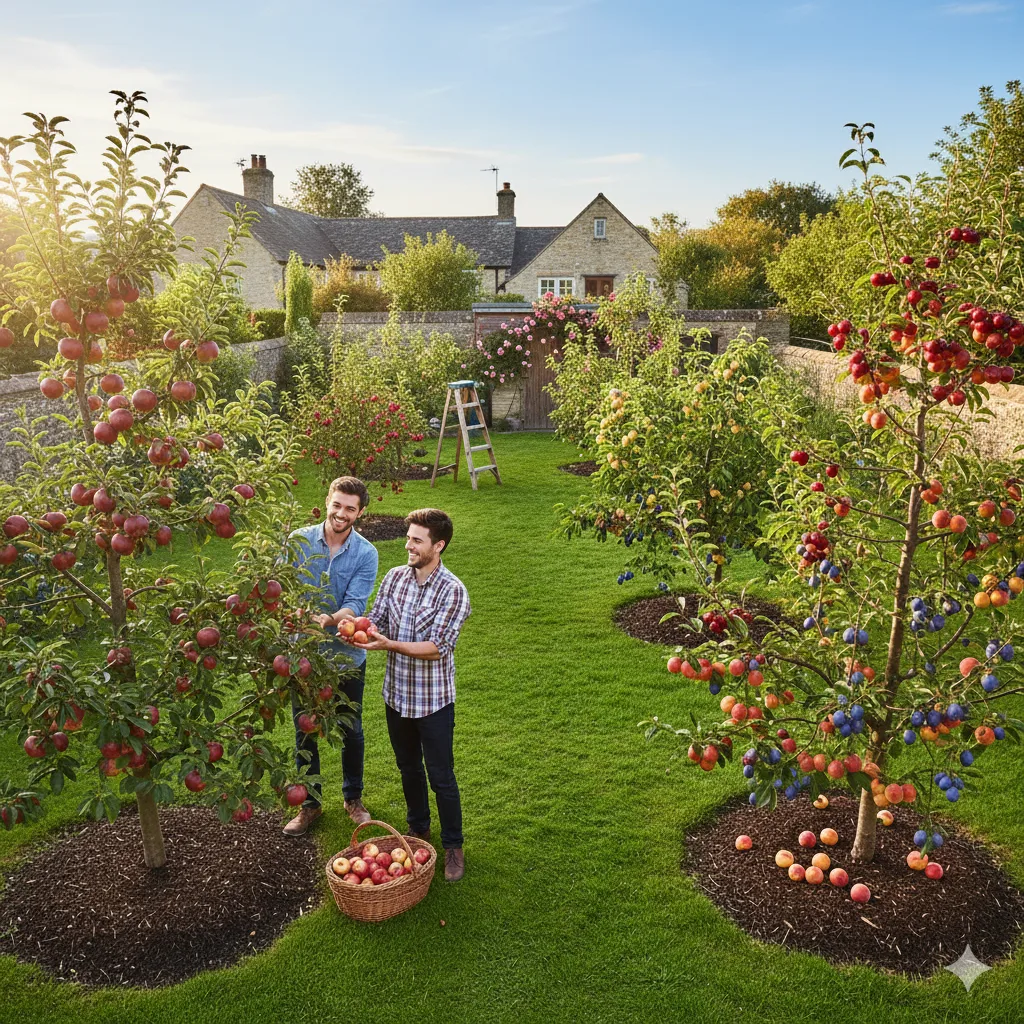
There is a unique and deeply satisfying pleasure in picking a piece of fruit from your own tree. For UK residents, with the ongoing cost-of-living crisis, growing your own produce is not only a rewarding hobby but also a practical way to save money and reduce your carbon footprint. While it may seem daunting, the UK climate is surprisingly well-suited to a variety of fruit trees, and with the right knowledge, you can enjoy a bountiful harvest for years to come. This article will provide a clear, practical guide to growing fruit trees in your backyard, covering everything from choosing the right variety to pruning and maintenance. By the end, you’ll have all the information you need to start your own fruit-growing journey.
Choosing the Right Tree for a UK Climate
The first and most crucial step in growing fruit trees is choosing the right variety for the UK climate. The best way to ensure success is to select a tree that is grown on a suitable rootstock. Rootstock is the root system and trunk of a tree, and it determines the size of the tree and its hardiness. For a small UK garden, a dwarf rootstock like ‘M27’ for apples or ‘Quince C’ for pears is an excellent choice, as it will keep the tree at a manageable size.
Another key consideration is pollination. Most fruit trees are not self-fertile, meaning they need a compatible partner to produce fruit. You will need to either have another tree of the same species nearby or choose a self-fertile variety. When you buy a tree from a UK nursery, the label will tell you if it is self-fertile. If it is not, you will need to buy two compatible trees to ensure a good harvest.
Finally, think about what you like to eat! Apples, pears, plums, and cherries are all well-suited to the UK climate. Apple trees, in particular, are a great choice as they are hardy, produce a reliable crop, and come in a wide range of varieties.
Planting and Initial Care
The best time to plant a fruit tree in the UK is in late autumn or early winter, when the tree is dormant.
- Prepare the Soil: Dig a hole that is wider and deeper than the tree’s root ball. Loosen the soil around the hole and mix in some well-rotted compost.
- Plant the Tree: Place the tree in the hole, ensuring that the graft union (the swollen bump where the fruit variety is joined to the rootstock) is well above the soil level. Backfill the hole with the prepared soil and gently firm it down.
- Watering and Staking: Give the tree a good drink of water and then add a layer of mulch around the base of the tree to retain moisture and suppress weeds. You should also stake the tree to prevent it from moving in the wind. A stake is particularly important for dwarf rootstocks, which have a less extensive root system.
- Initial Pruning: Once the tree is in the ground, you can prune it to create a good shape. For a new tree, you should cut back the main stem and any side branches to encourage new growth.
Pruning and Maintenance
Pruning is a vital part of growing fruit trees and is the key to a healthy and productive tree. It encourages new growth, improves air circulation, and helps the tree to produce more fruit. The timing of pruning depends on the type of tree.
- Apples and Pears: These are summer-pruned trees. You should prune them in late summer to control their size and shape.
- Plums and Cherries: These are stone fruits, and they should be pruned in the summer to prevent silver leaf disease.
To prune a fruit tree, you should always remove any dead, diseased, or damaged branches. You should also prune to create an open, goblet shape, which allows air and sunlight to get to the centre of the tree. A good pair of secateurs and a pruning saw are essential for this task.
Pest and Disease Management
Fruit trees in the UK are susceptible to a number of common pests and diseases. The key to management is to be vigilant. Inspect your trees regularly for any signs of a problem.
- Codling Moths: These pests lay their eggs on young apples. The larvae then burrow into the fruit, which can ruin the crop. A simple and effective solution is to use pheromone traps to capture the male moths.
- Cherry Blackfly: These pests feed on the new growth of cherry trees, stunting their growth and making them look unsightly. You can spray the trees with a solution of soapy water or use a strong jet of water to wash them off.
- Aphids: Aphids are a common pest on all fruit trees. They can be a problem in the summer, but ladybirds and other beneficial insects will often keep them under control.
Growing in Small Spaces
Even if you don’t have a large garden, you can still enjoy home-grown fruit. Dwarf rootstocks are perfect for growing in large pots on a patio or a balcony. You will need a large, heavy pot (at least 45cm in diameter) and a good quality potting mix. You will also need to water the tree more frequently, as a pot can dry out quickly.
Another great option for a small space is to train a fruit tree to grow against a wall or a fence. This is called espalier training, and it is a fantastic way to grow a lot of fruit in a small space. You will need to prune the tree to create a fan or a candelabra shape. This is a very satisfying way to grow fruit and is a great way to make the most of a small garden.
Your Fruit-Growing Journey Begins
Growing fruit trees in your backyard is a rewarding journey that can provide you with a lifetime of fresh, delicious fruit. Your first practical action should be to visit a local UK nursery or garden centre and choose a tree that is suitable for your garden. Ask for advice on the best rootstock and a self-fertile variety. Plant your tree, give it a good start, and then all you have to do is wait for the harvest.

 Caring for Ferns: Indoor and Outdoor Varieties
 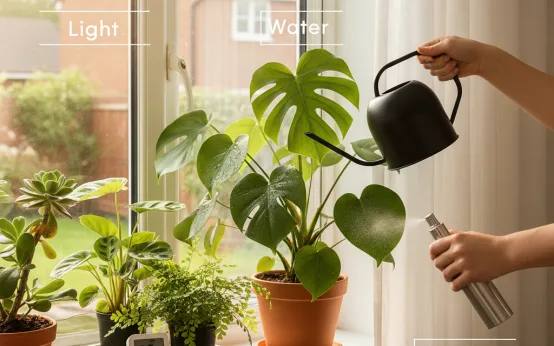 Caring for Houseplants: Light, Water, and Humidity Requirements
  Growing Herbs Indoors: 15 Best Herbs for Your Kitchen