
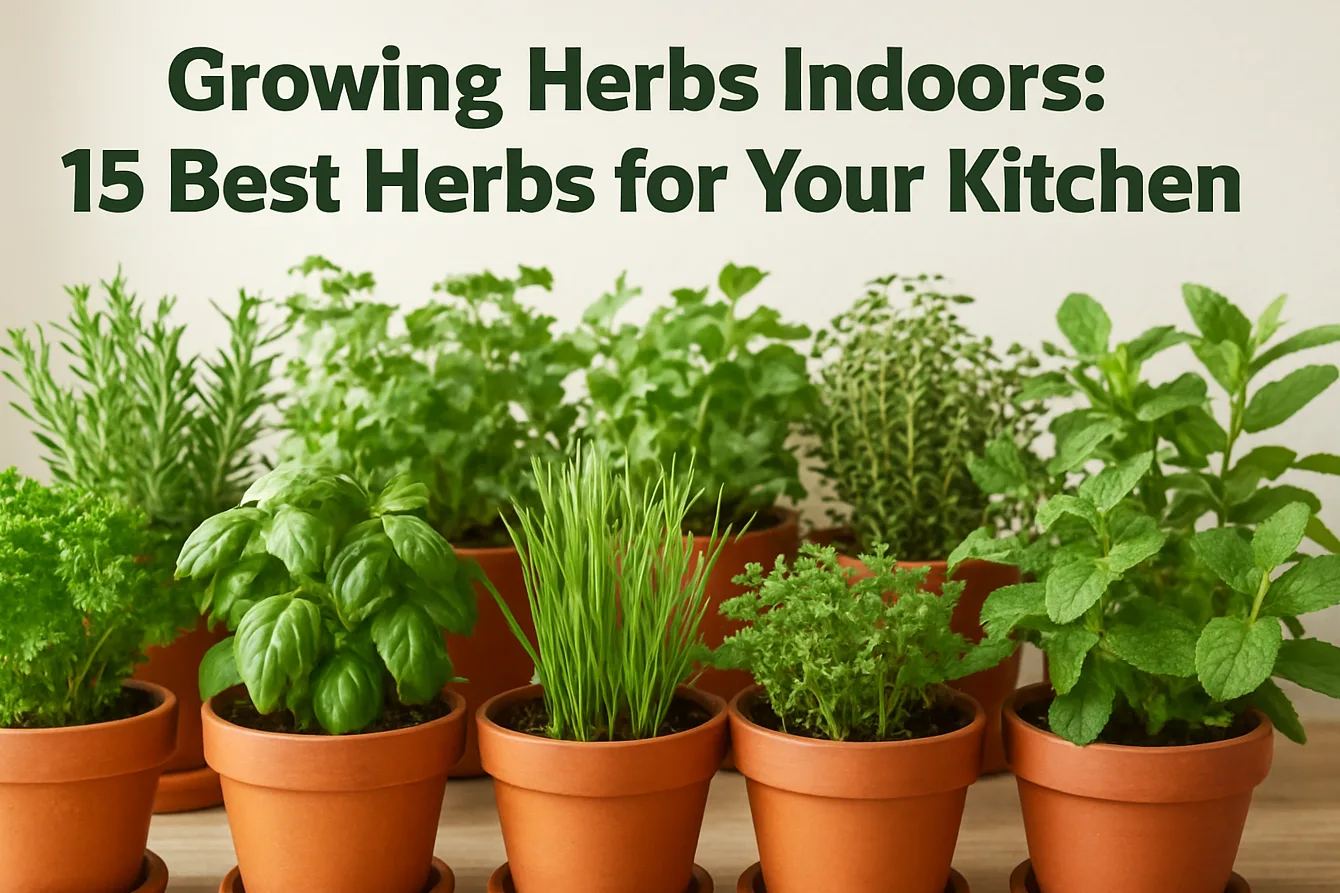
With rising food prices and the ongoing cost-of-living squeeze in the UK, many households are searching for simple ways to save money while improving their diets. Growing herbs indoors is an affordable and practical solution that provides fresh flavours year-round without relying on supermarket mark-ups. Whether you live in a London flat with limited space or a suburban home in Manchester, cultivating herbs on a windowsill or countertop can reduce waste, cut weekly shopping bills, and bring a touch of greenery into your kitchen. This guide highlights the 15 best herbs to grow indoors in the UK, along with practical tips to make them thrive.
Why Grow Herbs Indoors in the UK?
Indoor herb growing is more than a hobby—it’s a financially smart choice. A small supermarket packet of fresh basil can cost over £1.50, yet the same plant can be grown from seed for pennies. According to the Office for National Statistics, food and non-alcoholic drink prices rose significantly in 2023–24, making homegrown alternatives increasingly attractive.
Unlike vegetables that may require garden beds or allotments, herbs are perfectly suited to indoor conditions. They can be placed on sunny sills, grown under energy-efficient LED grow lights, and harvested little by little. For renters, students, or anyone managing tight council tax and energy budgets, herbs offer a low-cost way to improve meals without additional strain on household expenses.
Choosing the Right Indoor Herbs
When selecting herbs for indoor growth, consider three factors:
- Light levels – South-facing windows provide the best natural light.
- Space – Compact herbs suit small flats, while larger varieties may need bigger pots.
- Cooking habits – Grow herbs you frequently use in your meals to maximise savings.
Below is a carefully chosen list of the best herbs for UK kitchens, each offering versatility, resilience, and reliable growth indoors.
15 Best Herbs to Grow Indoors in the UK
1. Basil
A staple of Italian cooking, basil thrives in warm, bright spots. Ideal for pasta sauces and homemade pesto, basil needs regular watering and benefits from pinching back leaves to encourage bushy growth.
2. Parsley
Flat-leaf or curly, parsley is hardy and versatile. It grows well on a cool windowsill and enhances soups, stews, and garnish dishes.
3. Mint
Perfect for teas and cocktails, mint is vigorous and best grown in a pot to prevent it from spreading uncontrollably. Peppermint and spearmint varieties both do well indoors.
4. Coriander
Used in curries and fresh salads, coriander prefers cooler indoor spots. Sow seeds regularly for a continuous supply.
5. Chives
With a mild onion flavour, chives are excellent for omelettes and baked potatoes. They are low-maintenance and regrow quickly after cutting.
6. Rosemary
This Mediterranean herb thrives with plenty of light. Perfect for roast lamb or potatoes, rosemary prefers drier soil and infrequent watering.
7. Thyme
Compact and hardy, thyme grows happily indoors with minimal fuss. Its earthy flavour suits soups, marinades, and roasts.
8. Oregano
Essential for pizzas and Mediterranean dishes, oregano grows well in small pots. Keep it in bright light for best results.
9. Sage
A robust herb with distinctive flavour, sage pairs beautifully with poultry and stuffing. It requires moderate watering and lots of sun.
10. Dill
With delicate feathery leaves, dill is perfect for fish dishes. It grows quickly from seed but benefits from frequent re-sowing.
11. Bay Laurel
A small bay tree can be grown in a container and kept indoors during colder months. Bay leaves are ideal for stews and sauces.
12. Tarragon
French tarragon has a subtle aniseed flavour, popular in sauces and chicken dishes. It prefers bright, indirect light.
13. Lemon Balm
Part of the mint family, lemon balm has a refreshing citrus aroma, excellent for teas and desserts. It grows readily indoors with regular trimming.
14. Marjoram
Closely related to oregano but milder, marjoram complements soups and stews. It grows best in warm, bright spaces.
15. Lovage
A traditional British herb with a celery-like flavour, lovage is less common but adds depth to broths and casseroles. It thrives in pots with adequate light.
Practical Tips for Indoor Herb Success
Growing herbs indoors in the UK comes with some challenges, particularly during shorter winter days. To keep plants healthy:
- Light: Supplement with LED grow lamps when natural daylight is limited. Energy-efficient models add little to electricity bills compared with halogen bulbs.
- Watering: Overwatering is a common mistake. Herbs such as rosemary and thyme prefer drier conditions, while basil and parsley need more frequent hydration.
- Containers: Use pots with drainage holes to prevent root rot. Recycled containers are eco-friendly and reduce household waste.
- Harvesting: Regular trimming encourages new growth and prevents plants from becoming woody or straggly.
- Pests: Although less common indoors, watch out for aphids. If needed, the Royal Horticultural Society (RHS) provides guidance on natural pest control methods.
Reducing Costs and Supporting Sustainability
Growing herbs indoors aligns with broader sustainability goals in the UK. Cutting supermarket reliance not only reduces food waste but also lowers carbon emissions linked to packaging and transport. Households already managing tight budgets due to council tax increases or mortgage repayments can save money by replacing shop-bought packets with a year-round indoor supply.
Additionally, herbs can be dried or frozen for long-term storage, ensuring nothing goes to waste. This practice mirrors the advice from organisations like WRAP (Waste & Resources Action Programme), which supports UK households in reducing avoidable food waste.
What to Do Now
If you’re new to indoor gardening, start with two or three easy herbs such as basil, parsley, and mint, then expand gradually as you build confidence. Check local garden centres or reputable UK seed suppliers online for affordable starter kits. Consider reusing household containers before buying new pots, and make use of free guidance from the RHS website.
By introducing a small indoor herb garden, you can save money, enhance your cooking, and contribute to a more sustainable lifestyle—all while enjoying fresher, healthier meals right from your own kitchen.

 Growing Fruit Trees in Your Backyard
 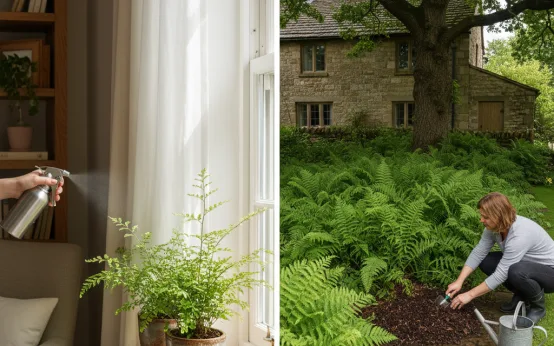 Caring for Ferns: Indoor and Outdoor Varieties
 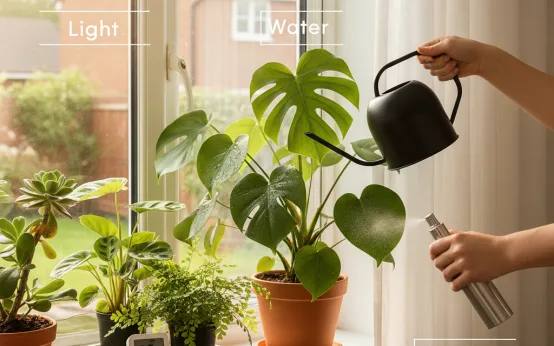 Caring for Houseplants: Light, Water, and Humidity Requirements