
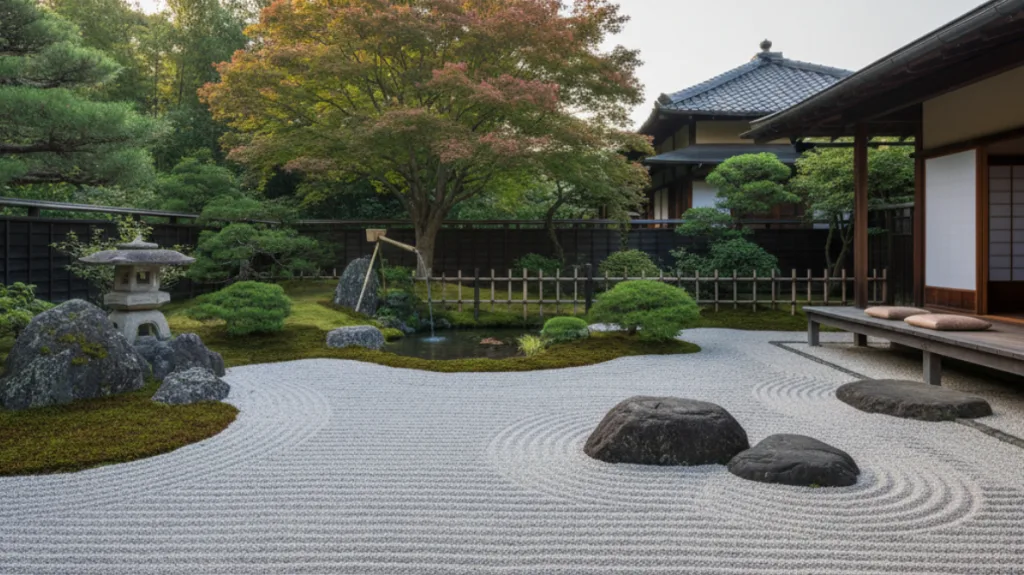
Gardens have always been places of retreat, but the Zen garden takes this principle further by creating a space designed entirely around peace, reflection, and simplicity. Originating in Japan, Zen gardens — also known as karesansui or dry landscape gardens — combine natural elements such as rocks, gravel, and carefully chosen plants to evoke calm and contemplation. Today, many UK gardeners are adopting Zen-inspired design principles to transform their outdoor spaces into sanctuaries of tranquillity.
Although Zen gardens appear minimal and effortless, they are the result of thoughtful planning and attention to detail. Every element has a purpose, whether symbolic or aesthetic. By blending simplicity, balance, and mindfulness, these gardens create an atmosphere far removed from the clutter and rush of daily life.
The Principles of Zen Garden Design
At the heart of Zen garden design lies the concept of simplicity. Unlike traditional cottage or ornamental gardens, Zen spaces focus on reducing distractions, allowing the mind to rest. Key principles include:
- Balance and harmony: Rocks, plants, and gravel are arranged to create natural flow and equilibrium.
- Symbolism: Gravel raked into ripples represents water, while rocks symbolise islands or mountains.
- Asymmetry: Unlike Western gardens that often rely on symmetry, Zen design embraces uneven, organic arrangements.
- Mindfulness: The act of raking gravel or tending plants is part of the meditative experience.
These principles help create gardens that are not only visually calming but also serve as spaces for meditation, relaxation, and quiet thought.
Key Elements of a Zen Garden
A Zen garden does not require large space. Even small courtyards, patios, or urban balconies in the UK can incorporate its essential elements.
Core features include:
- Gravel or sand: Raked into patterns to represent flowing water.
- Rocks and stones: Placed with intention to symbolise mountains, islands, or balance.
- Minimal planting: Evergreen shrubs, moss, and bamboo provide greenery without overwhelming simplicity.
- Water features: While not essential, small fountains or reflective pools add soothing sound and movement.
- Seating areas: Benches or simple wooden platforms encourage relaxation and contemplation.
Lighting also plays an important role. Soft, subtle illumination highlights textures and creates a calming atmosphere during the evening.
In smaller UK gardens, raised gravel beds with carefully placed stones can capture the spirit of Zen design without requiring expansive space.
Designing a Zen-Inspired Space
Creating a Zen garden is as much about intention as design. Start by choosing a location where quiet can be maintained — a corner shielded by fencing, hedges, or screens works well. The layout should feel uncluttered, with open areas balanced by focal points such as a large stone or a simple water basin.
Paths should be winding rather than straight, encouraging slow movement and reflection. Natural materials such as slate stepping stones, wooden decking, or gravel paths reinforce simplicity and avoid visual distraction.
Plants must be chosen with restraint. Favourites for UK Zen gardens include Japanese maples for seasonal colour, dwarf pines for structure, and moss for ground cover. Bamboo screens or evergreen shrubs provide privacy and seclusion. Too many flowering plants should be avoided, as the emphasis is on tranquillity rather than abundance.
A Zen garden is not static; it evolves with the seasons. Fallen leaves in autumn, frost patterns in winter, and fresh growth in spring each contribute to its atmosphere. Designing with this seasonality in mind helps the garden remain engaging yet peaceful year-round.
Living with a Zen Garden
The true essence of a Zen garden lies in how it is used. It is not simply a decorative feature but a place to practise mindfulness, meditate, or simply pause. The act of maintaining the garden — raking gravel, pruning shrubs, or cleaning water features — becomes part of the experience, encouraging a slower pace and reflective mindset.
Zen gardens also provide a refuge for wildlife. Birds are drawn to water features, while moss and shrubs offer shelter for insects. Though minimal in design, these spaces can still contribute to biodiversity, particularly in urban UK environments where green areas are scarce.
For modern gardeners, the Zen approach offers a counterbalance to busy lives. By cultivating a peaceful, uncluttered outdoor space, you create not just a garden but a sanctuary — a place to recharge, reflect, and reconnect with nature.

 Soil pH Testing and Amendment
 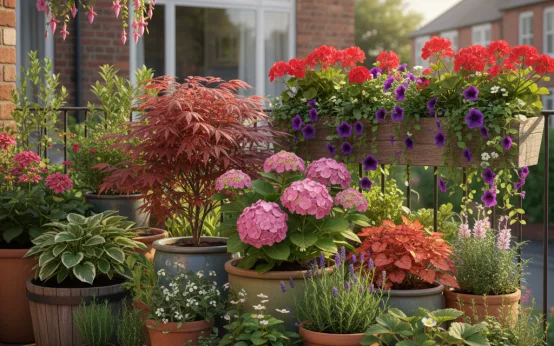 Container Gardening: Best Plants for Pots and Planters
  Orchid Care Guide: Watering, Light, and Repotting