
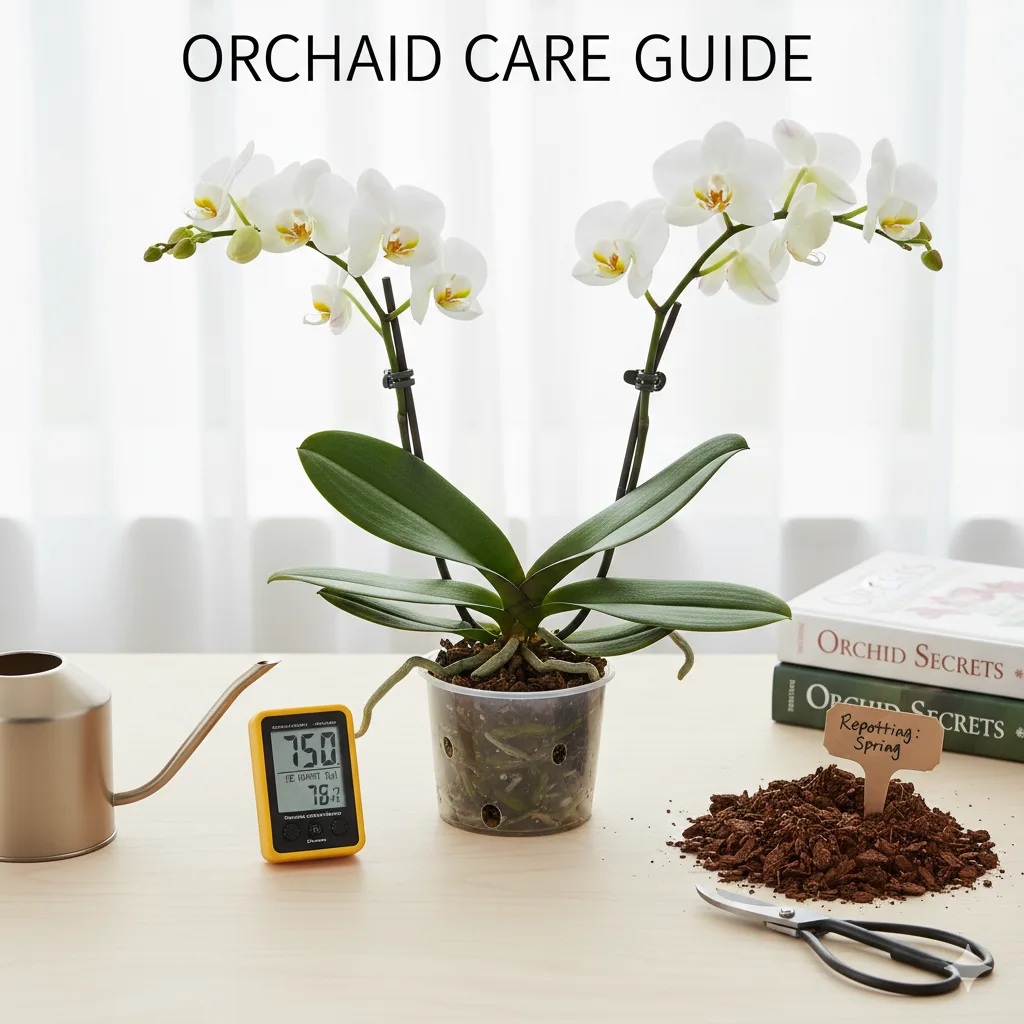
Orchids have become a quintessential fixture in UK homes, offering a touch of exotic elegance without the need for a tropical climate. As many households navigate the ongoing cost of living crisis, finding affordable ways to brighten up living spaces is more important than ever. While they may appear delicate and high-maintenance, mastering the basics of orchid care can be a simple, rewarding experience that helps your plant thrive for years, potentially saving you the cost of replacements. This comprehensive guide will demystify the key aspects of keeping your orchid healthy and blooming, focusing on watering, light, and repotting, all tailored to the UK gardener.
The Art of Watering Your Orchid in the UK Climate
Watering orchids correctly is arguably the most critical aspect of their care. Unlike typical houseplants that thrive on a strict schedule, orchids prefer to be watered based on their needs, which fluctuate with the UK’s famously variable weather. Overwatering is the most common cause of orchid demise, leading to root rot. Think of it like managing a household budget; you wouldn’t spend a large sum just because the calendar says so. You check your bank balance and expenses first, much like you should check your orchid’s roots and potting medium.
The “ice cube” method, while popular, is a point of contention among UK orchid enthusiasts. Some argue it provides a slow, steady release of water, mimicking a light tropical drizzle. However, cold water can shock the plant’s delicate roots. A more reliable approach is the “soak and drain” method. Once a week, or when the potting medium is dry to the touch, place your orchid pot in a sink or basin of tepid water for 10-15 minutes. This allows the bark to absorb moisture fully. Just as HMRC encourages taxpayers to be proactive about their self-assessment, you should be proactive in checking your plant’s needs rather than relying on a rigid schedule.
After soaking, it is absolutely crucial to let the plant drain thoroughly. Do not let it sit in a saucer of water. This standing water is the horticultural equivalent of high-interest debt; it will cripple your orchid’s health over time. A healthy orchid’s roots are plump and green; an overwatered one will have brown or mushy roots. This is a clear indicator that something needs to change.
Finding the Perfect Light for Your Orchid
Orchids require bright, indirect light to flourish. Direct sunlight, especially during the peak summer months, can scorch their leaves, leaving behind unsightly yellow or brown patches. It’s a bit like exposing your skin to the sun without protection; you get burnt. A north or east-facing window in a typical UK terraced or semi-detached house is often ideal, providing morning sun without the harsh afternoon intensity.
If your only option is a south-facing window, you can diffuse the light with a net curtain. This simple solution is akin to applying for a government grant for home insulation; a small, strategic action can yield significant, long-term benefits. In the shorter, darker days of a British winter, you might need to move your orchid closer to the light source. Just as a sensible household reviews its energy usage with the arrival of the colder months, you should reassess your plant’s position in your home.
The leaves themselves are an excellent indicator of whether your orchid is getting enough light. Healthy leaves are a vibrant, medium-green colour. Leaves that are too dark green suggest insufficient light, while yellowing or reddish leaves can indicate too much sun. Finding the right balance is key to ensuring your orchid has the energy it needs to produce those magnificent flower spikes.
The Art of Repotting Your Orchid
Repotting is a necessary chore for any long-term orchid owner, much like renewing your car’s MOT. It’s not something you do often, but it’s essential for the plant’s safety and continued health. A healthy orchid should be repotted every one to two years, typically after it has finished flowering. The ideal time for this is in the spring, which aligns neatly with the start of a new financial year and a sense of renewal.
The first step is to choose the right potting medium. Orchids are not like traditional garden plants; they do not grow in soil. They need a loose, well-draining medium like bark, sphagnum moss, or a mix of both. This allows their roots to breathe and prevents them from sitting in stagnant water. Just as a well-managed pension fund diversifies its assets, a good potting mix should have a mix of different sizes of bark to ensure adequate aeration and drainage.
When you remove the orchid from its old pot, you will need to gently untangle the roots and prune any that are brown, mushy, or shrivelled. Use clean, sterilised scissors for this, much like a surgeon uses sterile instruments. This is the root’s equivalent of a health check-up, catching problems before they escalate. After trimming, place the orchid in a new pot, which should be only slightly larger than the previous one. Overly large pots hold too much moisture, again leading to the dreaded root rot.
What to Do Now: Cultivating a Greener Thumb
Understanding the fundamentals of orchid care—watering, light, and repotting—is the first step towards a long and rewarding relationship with your plant. This is not about a quick fix but about adopting a sustainable approach to plant ownership. It’s an investment of time and attention, similar to how a small investment in a Stocks and Shares ISA can grow into a substantial asset over time.
Your next practical action should be to assess your current orchid’s condition. Are its leaves a healthy shade of green? Are the roots plump and firm? If not, it’s time to make a small adjustment to your care routine. Consider your watering frequency and your plant’s location in your home. If you haven’t repotted it in a couple of years, spring is the perfect time to purchase some new orchid bark from your local garden centre. By taking these small, deliberate steps, you will ensure your orchid remains a vibrant and enduring part of your home décor.

 Soil pH Testing and Amendment
 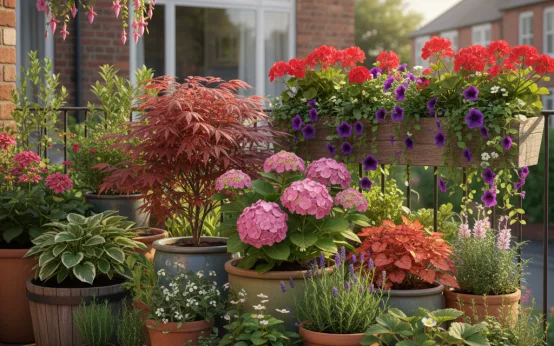 Container Gardening: Best Plants for Pots and Planters
  Zen Garden Design: Creating Peaceful Outdoor Spaces