

Ferns, with their delicate, feathery fronds, have been a part of the UK landscape for millennia. From native species carpeting the forest floor to exotic varieties gracing our living rooms, they bring a touch of timeless, natural elegance to any space. As households across Britain continue to navigate economic pressures, nurturing a long-lasting fern is a cost-effective way to beautify a home or garden without the need for frequent replacement. Unlike seasonal flowers, a healthy fern is an enduring asset that provides continuous greenery and a sense of calm. This comprehensive guide will demystify the art of caring for ferns, covering both indoor and outdoor varieties. You will learn the fundamental principles of light, water, and environment to ensure your ferns not only survive but truly thrive, adding a lush, vibrant feel to your home and garden.
Understanding Ferns: Light and Location
The key to a happy fern is understanding its natural habitat. Most ferns are woodland plants, accustomed to dappled light and shelter. Providing these conditions in your home or garden is the most critical step to their success.
Light Requirements for Indoor Ferns
For indoor varieties, such as the Boston fern or maidenhair fern, direct sunlight is a major enemy. Their delicate fronds will scorch and turn brown in a flash. Think of it as a crucial regulatory rule, like those set by the FCA; you must adhere to it to avoid a painful outcome. A north-facing windowsill is a perfect location, as it provides consistent, indirect light. A spot several feet back from an east- or west-facing window also works well. A UK home’s often-overcast weather is a bonus for indoor ferns, as it naturally diffuses harsh sunlight.
Siting Outdoor Ferns in Your Garden
When caring for outdoor ferns, the same principle applies. They need a shady, sheltered spot away from direct sun and harsh winds. Many UK gardens have such areas—the north-facing side of a house, under a large tree, or at the back of a shaded border. Native British ferns, like the Common Male Fern and the Hart’s Tongue Fern, are perfectly adapted to these conditions and are an excellent, low-maintenance choice. Planting them is a long-term investment that builds up over time, like a state pension.
The Essentials of Watering and Humidity
While ferns thrive in damp conditions, they hate being waterlogged. Getting the watering balance right is the second most common challenge for fern owners, indoors and out.
Watering Indoor Ferns
Indoor ferns need consistently moist soil, but not soggy. This is a fine line to walk, much like balancing a household budget with unexpected costs. The “finger test” is your best tool: stick your finger an inch into the compost. If it feels dry, it’s time to water. If it’s still damp, wait. Always use a pot with a drainage hole to prevent root rot. Misting your indoor ferns is also a simple, effective way to boost humidity, a vital requirement in a home with central heating. This small, regular action is a proactive way to maintain plant health, similar to a small, regular contribution to a savings account.
Watering Outdoor Ferns
In the UK’s typically temperate climate, native outdoor ferns often require little watering once established. However, during a dry summer, such as those we have seen in recent years, you will need to water them deeply and regularly. This deep watering once a week is more effective than a light watering daily and is a more efficient use of resources. Watering in the evening or early morning reduces evaporation. This efficient use of resources is a good habit for a household to adopt, much like checking a water meter to monitor your consumption and avoid unnecessary charges.
Feeding and General Care
Ferns are not heavy feeders. Giving them too much fertiliser can do more harm than good. A little goes a long way, much like the tax reliefs on ISAs; a small benefit on each contribution adds up significantly over time.
Fertilising Your Ferns
For both indoor and outdoor ferns, a general-purpose liquid fertiliser can be applied at half the recommended strength. Fertilise once a month during the growing season (spring and summer) and stop completely in autumn and winter. The Royal Horticultural Society (RHS) recommends this approach to prevent chemical build-up in the soil.
Repotting and Mulching
Indoor ferns should be repotted every two to three years in spring. Move them into a pot that is only slightly larger and use a fresh potting mix. For outdoor ferns, apply a layer of well-rotted leaf mould or garden compost around the base of the plant in autumn. This mulch helps to retain moisture and provides a slow release of nutrients, effectively acting as a form of long-term financial security for your plant.
What to Do Now: Your Fern Care Action Plan
Successfully caring for ferns is a process of observation and consistent, small actions. It’s an investment of time that provides a significant return in the form of a beautiful, low-maintenance plant. Your next practical step is to audit your home and garden to find the perfect location for a new fern. Identify a shady, sheltered spot for an outdoor variety or a north-facing windowsill for an indoor one. If you have an existing fern that is looking a bit sad, check its watering routine and its light conditions. By making these small, deliberate changes, you are on your way to enjoying the timeless beauty of ferns for years to come.

 Growing Fruit Trees in Your Backyard
 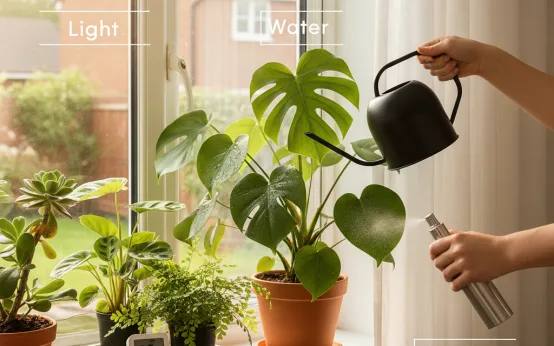 Caring for Houseplants: Light, Water, and Humidity Requirements
  Growing Herbs Indoors: 15 Best Herbs for Your Kitchen