
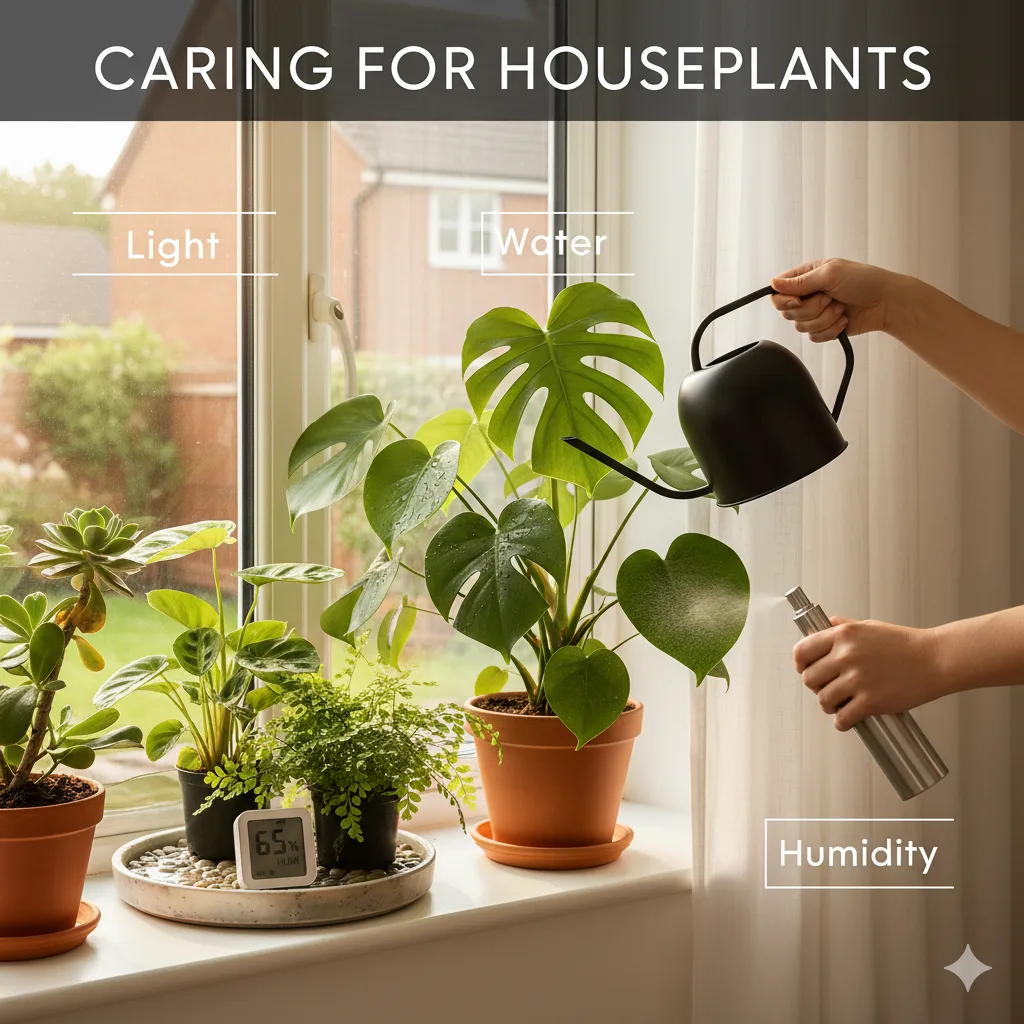
Bringing houseplants into your home is a rewarding way to add life and colour, but keeping them healthy can feel like a complex task. With the ongoing cost of living crisis affecting many UK households, the expense of replacing sickly plants can quickly add up. Understanding the fundamental needs of your houseplants is a long-term investment that saves you money and brings lasting enjoyment. Much like adhering to pension rules or the latest HMRC guidelines, a structured approach to plant care is essential for success. This guide will demystify the core pillars of caring for houseplants—light, water, and humidity—providing clear, practical advice tailored to the UK’s unique domestic environment. You will learn the key principles to ensure your plants not only survive but truly thrive.
The Crucial Role of Light for Your Houseplants
Light is the single most important factor for a houseplant’s survival, as it is the fuel for photosynthesis. Different plants have different needs, and understanding your home’s light conditions is the first step towards a thriving indoor garden. In the UK, with its famously grey skies and shorter winter days, this is a crucial consideration.
Understanding Light Levels in Your Home
Just as a surveyor assesses a property’s features before you buy, you should assess the light in your home. A south-facing window in a typical UK home provides the most direct and intense light. This is ideal for sun-loving plants like succulents, cacti, and certain types of palms. A west-facing window provides strong afternoon light, which is also suitable for many plants. East-facing windows offer gentle morning sun, a good spot for ferns and most flowering houseplants. A north-facing window offers very little direct light but is perfect for low-light tolerant plants. Using a light meter, a small investment, can be as useful as an online pension calculator, giving you precise data to work with.
The Signs of Incorrect Light
Your plant’s leaves are an excellent indicator of whether it’s getting the right amount of light. If the leaves are turning yellow or brown on the side facing the window, it’s getting too much direct sun. This is a clear sign, much like a red warning on a banking app, that action is required. Conversely, if your plant is looking leggy with long stems and small leaves, it’s “stretching” for light, a sure sign it needs to be moved to a brighter location.
Mastering the Art of Watering Houseplants
Incorrect watering is the most common reason for houseplant failure. It’s a balance, much like managing a household budget; too little and your plant starves, too much and it drowns. It’s not about following a rigid schedule but about responding to your plant’s needs, which change with the seasons and a home’s heating.
The “Finger Test” and Drainage
The simplest and most effective way to check if your plant needs water is the finger test. Push your finger about an inch into the soil. If it feels dry, it’s time to water. If it’s still damp, wait a few days and check again. This simple check is a form of due diligence that prevents overwatering, a risk akin to falling into high-interest debt. Always use a pot with a drainage hole. If water sits in the bottom of the pot, it suffocates the roots, leading to root rot.
Water Quality in the UK
Tap water in the UK can be hard, which means it contains high levels of calcium and magnesium. While most houseplants tolerate this, some, like carnivorous plants and ferns, prefer rainwater or filtered water. Leaving tap water in a watering can for 24 hours can help the chlorine evaporate. This is a small, proactive step that can make a big difference, similar to a small, regular contribution to an ISA that builds up over time.
The Importance of Humidity for Houseplants
Many popular houseplants originate from tropical climates and are accustomed to high humidity. The average UK home, especially in winter when the central heating is on, has a much drier atmosphere. This can cause problems like brown leaf tips and crispy edges. Addressing this is like managing a council tax rebate; a small amount of effort can bring a significant, tangible benefit.
Increasing Humidity Levels
There are several simple, low-cost ways to increase humidity around your plants. The most common is misting. Use a spray bottle filled with water to mist your plant’s leaves every couple of days. Another option is a pebble tray. Fill a shallow tray with pebbles and water, and place your plant pot on top. As the water evaporates, it creates a humid microclimate around the plant. This is an efficient and sustainable solution, as it recycles the moisture without a large energy outlay.
Grouping Plants and Location
Grouping plants together is another effective strategy. As plants transpire, they release moisture into the air, creating a collective humid environment. This is a form of natural cooperation, much like communities coming together for a shared benefit. Placing plants in a naturally humid room, such as a bathroom or kitchen, is also an excellent idea. The moisture from showers and boiling kettles can provide a welcome boost.
What to Do Now: Your Houseplant Health Check
Understanding caring for houseplants is a continuous learning process. Just as a sensible household reviews its budget annually, you should get into the habit of regularly checking your plants’ well-being. Your immediate practical action should be a home audit. Walk around your home and assess the light levels in each room. Note which windows are south-facing and which are north-facing. This simple task will allow you to correctly place new plants and relocate existing ones that may be struggling.
Next, check the soil of your houseplants with the finger test. If any feel dry, give them a thorough drink. Consider investing in a simple spray bottle to begin a regular misting routine. By implementing these small, consistent changes, you will be well on your way to a flourishing indoor jungle that provides joy and a sense of calm for years to come.

 Growing Fruit Trees in Your Backyard
 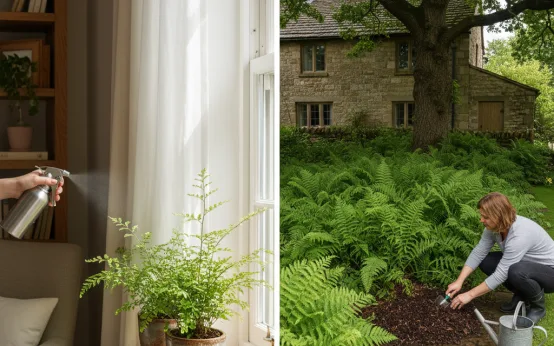 Caring for Ferns: Indoor and Outdoor Varieties
 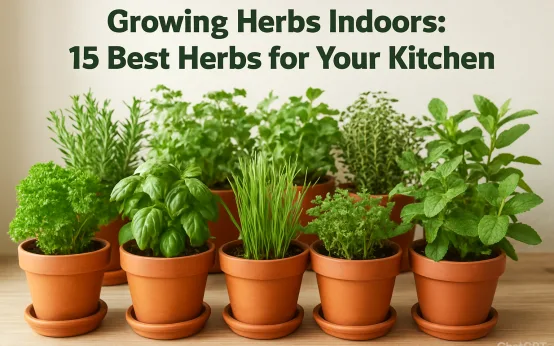 Growing Herbs Indoors: 15 Best Herbs for Your Kitchen