
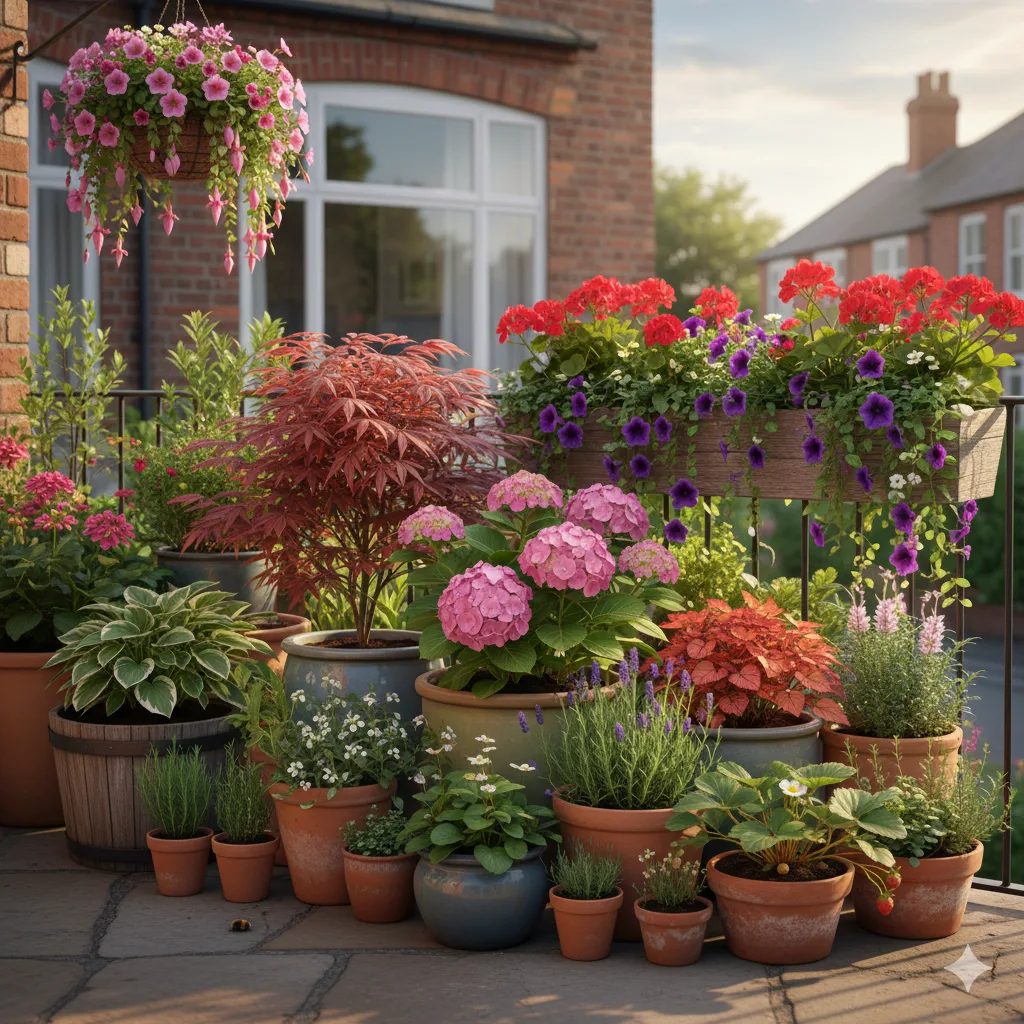
For many UK residents, the quintessential vision of a sprawling garden remains an aspiration rather than a reality. With more people living in flats, terraced houses with small yards, or properties with limited outdoor space, traditional gardening can seem out of reach. However, container gardening offers a flexible and rewarding solution, allowing you to transform a small balcony, patio, or doorstep into a vibrant, living space. As households continue to be mindful of their spending, cultivating your own plants is a cost-effective way to beautify your home, providing a sense of achievement and a tangible return on a small investment. This guide will take you through the principles of container gardening, focusing on the best plants for pots and planters that are perfectly suited to the British climate. You will learn how to choose the right plants and care for them, regardless of the size of your space.
The Fundamentals of Successful Container Gardening
Before diving into the best plant choices, it is crucial to understand the foundational principles that make container gardening a success. Just as a well-managed pension scheme adheres to specific rules and a long-term strategy, successful container gardening relies on a few key elements to ensure your plants thrive.
Choosing the Right Pots and Compost
Selecting the right container is more important than you might think. Ensure all pots have drainage holes; this is non-negotiable. Without proper drainage, roots will sit in stagnant water, leading to rot and an early demise for your plant. Think of it as a crucial regulatory safeguard, similar to the FCA’s rules for financial services. The size of the pot is also vital. A plant that is too large for its container will become root-bound and stunted. For most patio plants, a pot of at least 30-40cm in diameter is a good starting point. Terracotta pots are a classic choice, but plastic and glazed ceramic containers are also excellent and retain moisture for longer, which can be a bonus during a hot spell.
The soil you use should be a high-quality potting compost, not soil from your garden. Potting compost is specially formulated to be lighter, well-draining, and nutrient-rich, providing the ideal environment for container-grown plants. For plants that prefer acidic soil, such as heathers and camellias, you will need a specific ericaceous compost.
Watering: The Key to Plant Health
Container plants dry out much faster than those in the ground, so a consistent watering routine is paramount. During the summer, you may need to water daily, sometimes twice a day during a heatwave. The ‘finger test’ is the simplest method: poke your finger an inch into the compost; if it feels dry, it’s time to water. This is a far more reliable method than a fixed schedule and is comparable to a household reviewing its energy usage in line with Bank of England inflation reports rather than a set monthly amount.
When watering, ensure water flows out of the drainage holes. This ensures the entire root ball is saturated. The occasional use of a liquid feed every two weeks during the growing season will top up nutrients, which are washed out with each watering.
Top 15 Plants for Your Pots and Planters
Here is a curated list of plants that are excellent choices for container gardening in the UK, offering a mix of flowers, foliage, and edibles.
- Geraniums (Pelargoniums): A classic for a reason. Geraniums provide a splash of bold colour all summer long and are very low-maintenance. They thrive in sunny spots and are drought-tolerant.
- Petunias: These come in a wide range of colours and have a trailing habit, making them perfect for hanging baskets and the edges of large planters. They love sun but require consistent watering.
- Fuchsias: With their intricate, dangling flowers, fuchsias add a touch of elegance. They do well in partial shade, making them ideal for north-facing patios or sheltered spots.
- Hostas: Known for their striking foliage, hostas are a fantastic choice for shady containers. They come in many sizes and colours, from vibrant greens to variegated leaves.
- Heucheras: Also called coral bells, these are grown for their beautiful, colourful leaves. They are hardy and can provide year-round interest, much like a steady, dividend-paying stock in an ISA.
- Lavender (Lavandula): A quintessential British garden plant. It thrives in pots with well-draining, sandy compost and loves a sunny spot. Lavender is also a favourite with bees.
- Dahlias: These offer an explosion of colour from mid-summer until the first frost. They require a large pot and plenty of sunlight. Dahlias are a high-impact choice for a small space.
- Agapanthus: A dramatic plant with bold, architectural flower heads. It is perfect for a large, sunny pot and can be left outside over winter in milder UK regions.
- Herbs (Rosemary, Thyme, Mint): Growing herbs in pots is incredibly rewarding. Rosemary and thyme need plenty of sun and good drainage, while mint is best kept in its own pot to prevent it from becoming invasive.
- Hydrangeas: With their large, show-stopping flower heads, hydrangeas are a beautiful option for a large container in a partially shaded spot. They are particularly popular in the UK and can thrive with the right care.
- Japanese Maples (Acer palmatum): These compact trees are ideal for pots, providing year-round interest with their stunning foliage. They are a long-term investment, requiring little maintenance and providing great aesthetic value.
- Boxwood (Buxus): Perfect for creating a formal look on a patio or by a front door. Boxwood is a low-maintenance evergreen that can be clipped into various shapes.
- Ornamental Grasses: For a contemporary feel, ornamental grasses like fountain grass or Hakone grass are excellent. They add texture and movement and are generally very hardy.
- Begonias: These are a great choice for adding a continuous supply of colour to a shady spot. Both trailing and upright varieties are available.
- Strawberry Plants: Yes, you can grow your own strawberries in a pot! Use a large container or a hanging basket. Strawberries are a great way to get a practical return on your effort, a little like receiving a tax refund from HMRC for overpayment.
What to Do Now: Your Container Gardening Action Plan
Taking the first step into container gardening is a rewarding journey, whether you have a large patio or a tiny balcony. Think of this as the initial phase of any project, like planning a large-scale renovation. Your first practical action should be to assess your available space and light conditions. Is your space sunny, shady, or a mix of both? This will determine which plants on this list are best suited for you. Next, consider your budget; you don’t need to buy all the plants at once. Start with just a few of your favourites, such as a pot of lavender or some colourful geraniums. By focusing on a manageable number of plants first, you can build your confidence and knowledge, ensuring a successful and cost-effective garden for years to come.

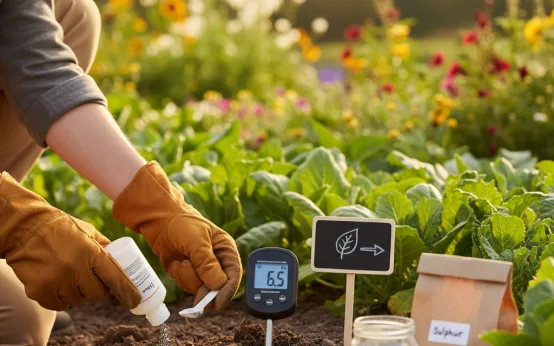 Soil pH Testing and Amendment
 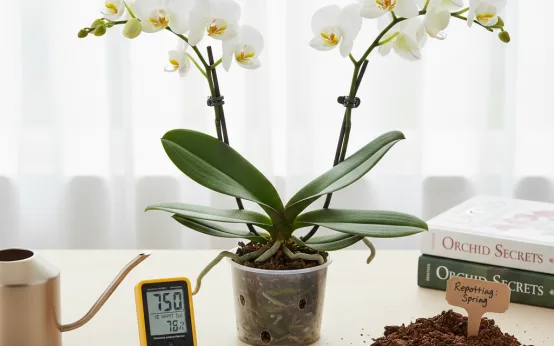 Orchid Care Guide: Watering, Light, and Repotting
 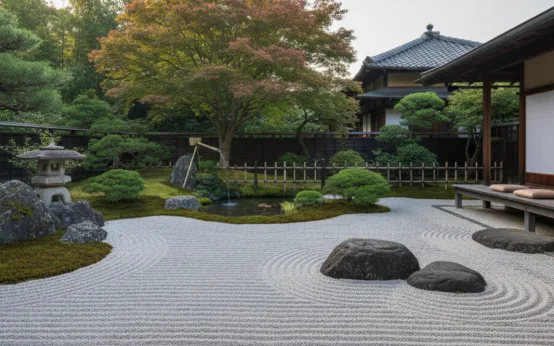 Zen Garden Design: Creating Peaceful Outdoor Spaces