
Few garden pests are as persistent and widespread as aphids. These tiny insects, often called greenfly or blackfly, appear in clusters on new shoots, stems, and the undersides of leaves. In the UK, they are a constant challenge for gardeners, thriving in spring and summer when plants are putting on strong growth. While small in size, aphids can cause major problems, weakening plants by sucking sap, spreading viruses, and attracting mould.
The good news is that there are many natural ways to control aphids without resorting to harsh chemicals. By combining prevention, companion planting, and encouraging natural predators, you can keep populations under control while maintaining a healthy, balanced garden.
Why Aphids Are a Problem
Aphids reproduce at an astonishing rate. A single female can give birth to dozens of live young in just a few days, which explains why infestations seem to appear overnight. They target a wide range of plants, from roses and beans to fruit trees and herbs, making them one of the most universal threats to UK gardens.
Their feeding habits cause leaves to curl, yellow, or become distorted, while the honeydew they secrete attracts sooty mould that further weakens plants. In severe cases, growth stalls and yields decline. Even worse, aphids transmit plant viruses, which can devastate crops such as potatoes, lettuce, and beans.
Because they multiply so quickly, early action is essential. Spotting small colonies before they spread across the garden makes control much easier and reduces damage.
Natural Methods to Control Aphids
There are several effective approaches to managing aphids without chemicals. Many are simple, inexpensive, and safe for pollinators and other wildlife. Some of the most useful include:
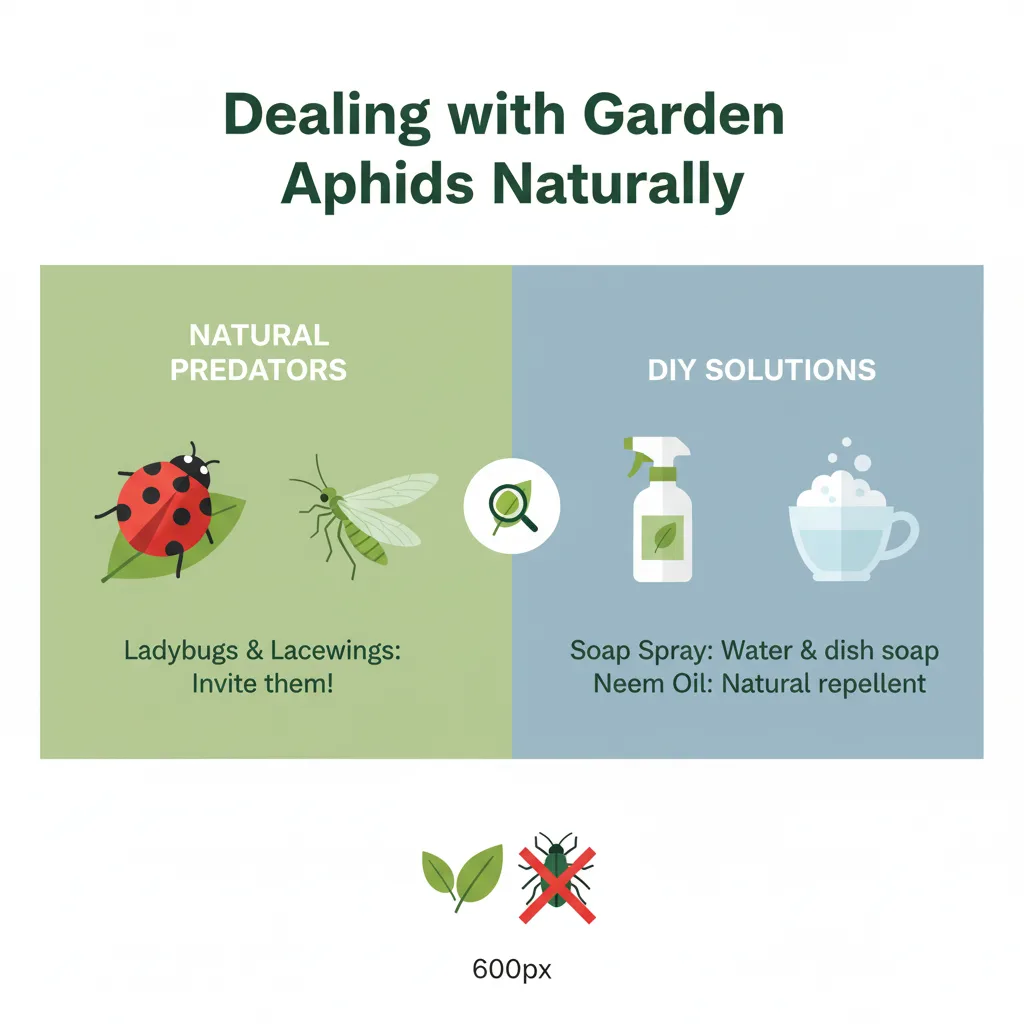
- Encouraging predators: Ladybirds, lacewings, and hoverfly larvae are natural aphid hunters. Attract them with flowers like marigolds, calendula, and alyssum.
- Companion planting: Strong-scented herbs such as garlic, chives, and basil confuse aphids and reduce infestations.
- Physical removal: Spraying plants with a strong jet of water dislodges aphids from stems and leaves.
- Neem oil or soap sprays: Natural treatments that coat aphids and prevent them from feeding, without harming beneficial insects when used carefully.
- Sacrificial plants: Nasturtiums attract aphids away from crops, making them useful decoys in vegetable gardens.
By combining these strategies, gardeners create a layered defence that reduces the need for synthetic pesticides.
Designing an Aphid-Resistant Garden
The best defence against aphids is prevention. Healthy plants are less likely to suffer severe infestations, so providing the right growing conditions is vital. Ensure soil is rich in organic matter and well drained, and avoid over-fertilising with nitrogen, which produces soft growth that aphids prefer. Watering at the base of plants rather than overhead reduces humidity and helps prevent secondary fungal problems.
Diversity is another key factor. Monoculture planting, where one species dominates, makes it easier for pests to spread. Mixing flowers, herbs, and vegetables creates a less predictable environment, confusing aphids and supporting beneficial insects. In UK gardens, planting borders with nectar-rich flowers like foxgloves, lavender, and verbena not only looks beautiful but also sustains predators that naturally control pests.
Companion planting deserves special mention. Combining carrots with onions helps repel carrot flies and also disrupts aphid activity. Basil near tomatoes deters whitefly and greenfly, while nasturtiums lure pests away from brassicas. These small adjustments make gardens more resilient and reduce reliance on reactive treatments.
Another important step is monitoring. Regularly inspect the undersides of leaves and the tips of new growth. Catching aphids early prevents them from spreading unchecked. Hand removal, water sprays, or pruning infested stems are far easier when colonies are still small.
A Balanced, Eco-Friendly Approach
Dealing with aphids naturally is about more than eliminating a pest; it is about creating a balanced garden where plants, insects, and wildlife coexist. Harsh chemical sprays may kill aphids, but they also harm bees, butterflies, and other pollinators, upsetting the ecosystem and often leading to rebound infestations. By contrast, natural methods encourage biodiversity, which strengthens the garden over time.
Aphids will always be present in some numbers, but the goal is to keep them below damaging levels. With companion planting, predator support, and attentive care, UK gardeners can protect their crops and flowers while preserving the health of the environment. The reward is a vibrant, productive garden that thrives without constant chemical intervention.
