
Garden paths do more than simply connect different areas of an outdoor space. They guide visitors, create structure, and set the overall mood of a garden. In the UK, where weather and soil conditions vary, choosing the right materials and design can make a huge difference in both practicality and appearance. A well-designed path adds charm and function, turning even a modest garden into a welcoming retreat.
Why Garden Paths Matter
Paths are the backbone of a garden. They give shape to the landscape, dividing areas into zones and making it easier to move around without disturbing soil or damaging plants. A winding path can create mystery, encouraging exploration, while a straight, clean line conveys order and modern style. In family gardens, practical paths also provide safe surfaces for children and pets, particularly in wetter months when grass becomes muddy.
In many British homes, paths are also a way of extending living spaces. A neat route from the patio to a vegetable patch or from the front door to the driveway not only makes the garden more functional but also contributes to the property’s kerb appeal. Whether formal or informal, a path should complement the house and surrounding planting, tying the whole outdoor area together.
Popular Materials for Garden Paths
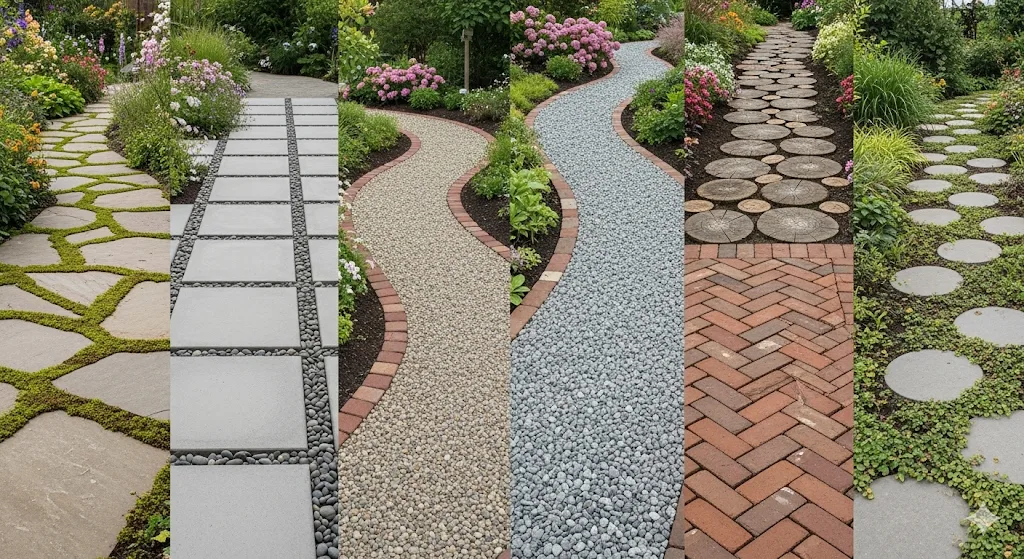
The material you choose defines the look and maintenance level of your path. Each option has its pros and cons, so it is important to think about durability, cost, and style before deciding.
- Gravel: Affordable and easy to lay, gravel paths drain well but may require occasional topping up.
- Brick: Traditional and full of character, bricks suit cottage-style gardens but need a stable base to avoid shifting.
- Stone slabs: Natural stone offers elegance and long-lasting durability, though it can be costly.
- Concrete pavers: A versatile and budget-friendly option that comes in a wide range of shapes and colours.
- Wooden sleepers: Provide a rustic look, ideal for informal gardens, but need treatment against rot in damp UK weather.
By combining materials, such as edging a gravel path with brick or mixing stone with timber, you can create a unique design that reflects your personal style.
Design Ideas to Inspire
When designing a path, consider the atmosphere you want to create. Curved paths add softness and work well in informal gardens filled with flowers and shrubs, while straight paths suit modern spaces with minimal planting. Stepping stones through grass or gravel create a playful look, guiding feet without the need for a solid surface. Wider paths feel more welcoming, whereas narrow tracks give a sense of intimacy.
Lighting also makes a big difference. Solar-powered lights along the edges not only improve safety but also highlight shapes and textures after dark. Edging with low box hedges or ornamental grasses can soften the path, blending it naturally into the rest of the garden. In small spaces, using lighter materials such as pale stone helps make the garden look larger, while darker colours add warmth and contrast in bigger plots.
Making Paths Work for Your Lifestyle
A successful garden path should not only look good but also suit the way you use your space. For families, durable, non-slip surfaces are a must. For gardeners, wide paths make it easier to wheel barrows and carry tools. Those seeking a low-maintenance option may prefer gravel or pavers, which require less cleaning than wooden boards. Accessibility should also be kept in mind — level paths with even surfaces are easier to navigate for children, the elderly, and anyone with mobility needs.
Ultimately, a garden path is an investment in both style and function. With the right materials and thoughtful design, it can transform the way you experience your garden every day. From rustic charm to contemporary elegance, the options are endless, and even small adjustments can make a noticeable difference.

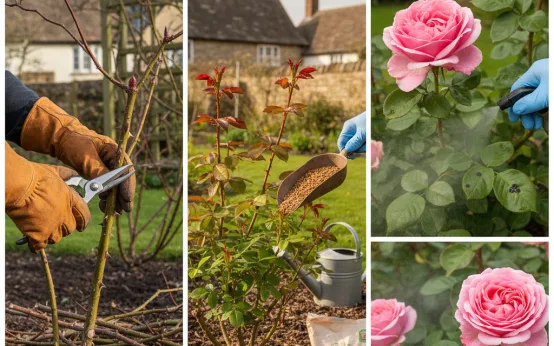 Rose Garden Care: Pruning, Fertilizing, and Disease Prevention
 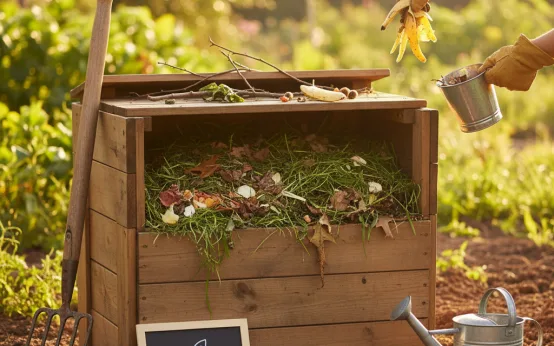 How to Start Composting: A Beginner’s Guide
 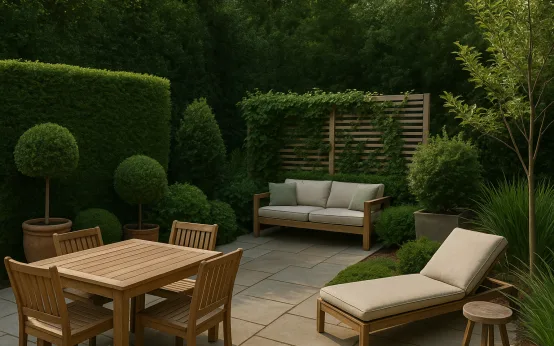 Creating Outdoor Room Divisions with Plants