
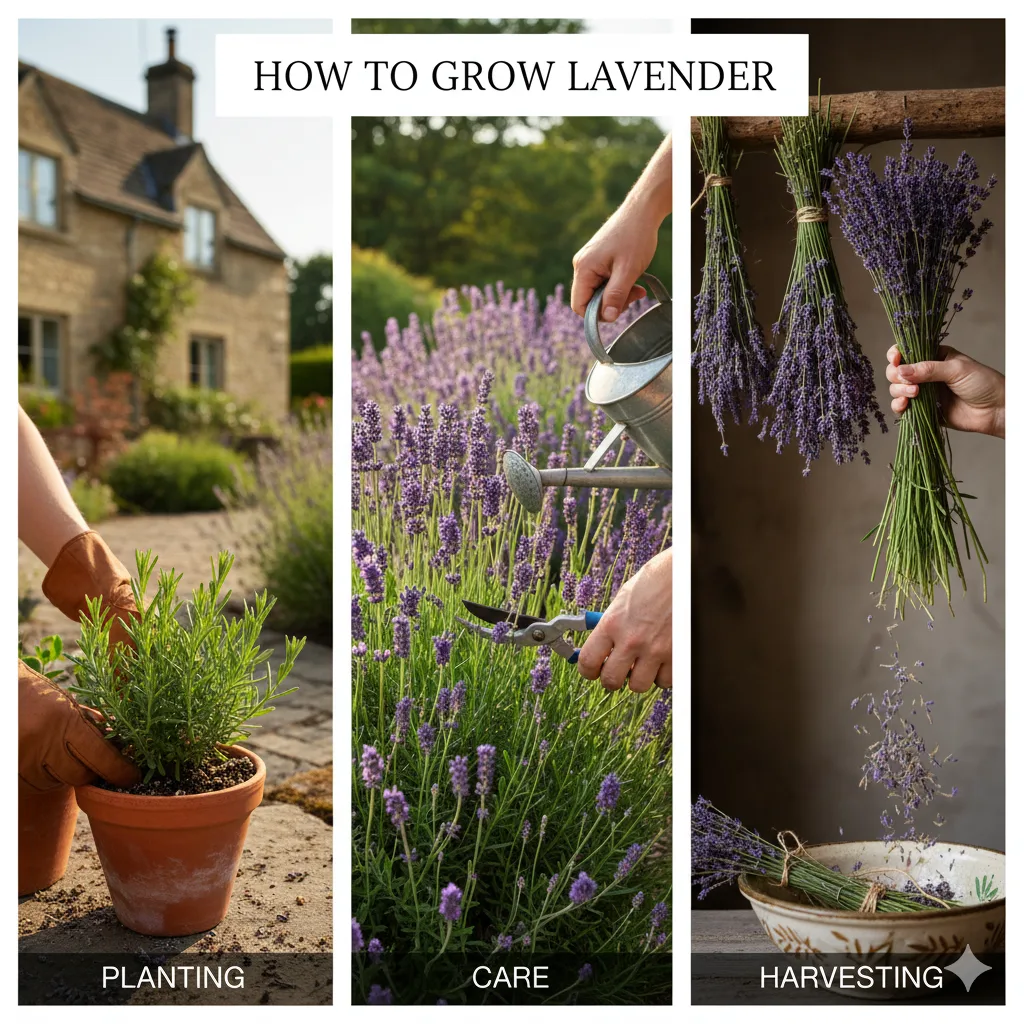
Lavender is a beloved plant in British gardens, renowned for its beautiful purple spires and calming fragrance. Its presence evokes a sense of Mediterranean warmth, bringing a touch of the French countryside to our own backyards. In a period of economic uncertainty and rising costs, cultivating a plant that offers so much for such little outlay is a practical and rewarding pursuit. Lavender is a hardy, drought-tolerant perennial that, once established, requires minimal ongoing effort and provides a continuous supply of flowers for everything from home decorations to fragrant sachets. This guide will provide a clear, step-by-step framework on how to grow lavender, covering planting, care, and harvesting techniques specifically for the UK climate. You will learn the key principles to ensure your lavender thrives, becoming a fragrant and enduring asset to your garden.
Choosing and Planting Your Lavender
Selecting the right variety and planting it correctly are the foundational steps to a healthy lavender plant. These initial decisions are as crucial as setting up the right type of savings account; a good start ensures long-term success.
Selecting the Best Lavender for the UK
While there are many types of lavender, the most common and reliable for UK gardeners are English lavender (Lavandula angustifolia) and Lavandin (Lavandula x intermedia). English lavender is incredibly hardy and can withstand our cold winters, making it a dependable choice. Lavandin varieties, such as ‘Grosso’, are known for their long stems and strong scent, perfect for harvesting. When buying, look for a healthy, green plant at your local garden centre or a reputable online nursery, much like you’d verify a company’s credentials on the FCA register before making a financial investment.
Planting in the Ground or in Pots
Lavender loves sunlight and requires well-draining soil. If planting in the ground, choose the sunniest spot in your garden. Lavender hates ‘wet feet,’ so if you have heavy clay soil common in many parts of the UK, you will need to improve drainage. Do this by digging in a good amount of grit or sand and some well-rotted compost. This is a small, proactive step that prevents a big problem later, similar to setting up a direct debit to ensure you don’t miss a council tax payment.
For pot planting, a terracotta pot is an excellent choice as it allows moisture to evaporate from the sides. Use a free-draining compost, such as a mix of multi-purpose compost and horticultural grit. Ensure the pot has a large drainage hole at the bottom.
Essential Care and Maintenance for Lavender
Once your lavender is planted, the key to its survival is a ‘less is more’ approach to care. Lavender is a tough plant that thrives on neglect, and over-pampering it is a common mistake.
Watering Lavender: A Strategic Approach
Overwatering is the number one cause of lavender failure. Once established, lavender is drought-tolerant and rarely needs watering. The exception is when it is first planted or during a prolonged dry spell, such as the heatwaves the UK has experienced in recent summers. A good rule of thumb is to water only when the soil has completely dried out. This careful approach to water usage is a little like a household being mindful of its energy consumption in response to a high price cap from Ofgem; it’s about being responsible and strategic.
Pruning for Health and Shape
Pruning is essential for preventing your lavender from becoming woody and leggy. The best time for a light prune is after the first flush of flowers has faded in late summer. For a more significant prune, wait until late August or September. Never cut into the old, woody part of the plant, as it will not grow back. Cut back by about a third, focusing on shaping the plant into a neat, rounded mound. This regular maintenance is a crucial part of long-term plant health, mirroring the importance of regular reviews of a pension pot to ensure it is on track.
Harvesting Your Lavender for Home Use
One of the greatest joys of growing lavender is the ability to harvest and use it. The fragrant stalks can be used for sachets, dried arrangements, or even in cooking. Harvesting at the right time is key to getting the most from your plant.
When to Harvest
The best time to harvest lavender is when the flowers are just beginning to open, but before they are fully bloomed. This is when the oils and fragrance are at their peak. In the UK, this is typically in late spring to mid-summer, depending on the variety and local climate. Harvest in the morning after the dew has evaporated but before the heat of the day.
How to Harvest and Preserve
Using sharp scissors or secateurs, cut the stems about 15-20cm long. Gather the stems into small bundles and secure them with a piece of string or a rubber band. Hang them upside down in a cool, dry, dark place with good air circulation. A spare room, a garage, or an airing cupboard are all excellent spots. Once the stems are dry (this can take a couple of weeks), you can strip the flowers from the stems to use as you wish. This simple preservation technique ensures you get a long-lasting return on your initial investment of time and effort.
What to Do Now: Your Lavender Action Plan
Growing lavender is a straightforward process that rewards you with beauty and fragrance for years. Just as a new tax year brings with it new financial goals, spring is the perfect time to set new gardening goals. Your next practical step is to assess your garden. Identify the sunniest, most well-drained spot you have. Then, visit your local garden centre or a reputable online nursery to purchase a couple of young lavender plants. By taking these simple, deliberate steps, you are not only cultivating a beautiful plant but also making a sustainable, long-term investment in your home and well-being.

 Complete Guide to Growing Tomatoes from Seed to Harvest
 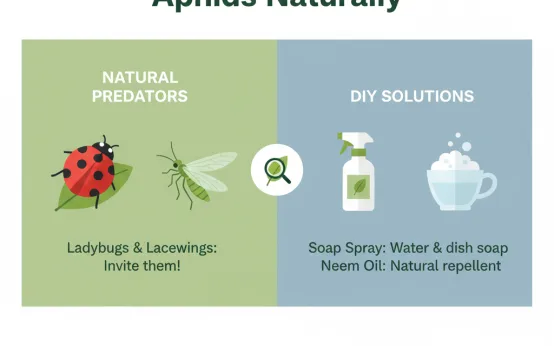 Dealing with Garden Aphids Naturally
  Identifying and Treating Common Plant Diseases