
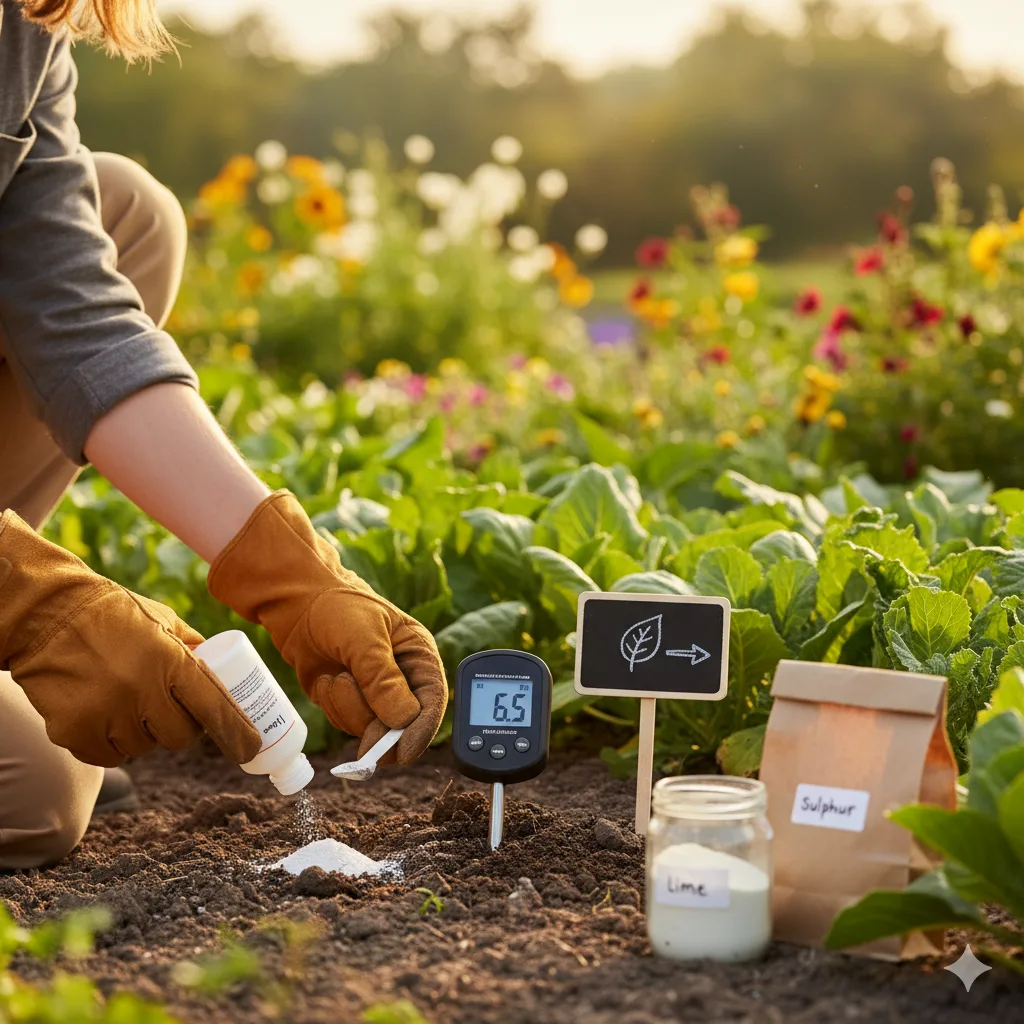
Soil is more than just the medium in which plants grow; it is the foundation of a garden’s health and productivity. One of the most important characteristics of soil is its pH level, which measures how acidic or alkaline it is. In the UK, where soils range from chalky downs to acidic heathlands, pH levels vary considerably, and this variation directly affects which plants will thrive.
Understanding and managing soil pH is crucial for gardeners who want strong, healthy plants. Some plants demand acidic conditions, such as blueberries and rhododendrons, while others — like lavender and clematis — prefer alkaline soils. By testing your soil and making amendments where necessary, you can create conditions that suit your plants and unlock their full potential.
Why Soil pH Matters
Soil pH influences how nutrients are absorbed. Even when soil contains plenty of nutrients, plants may not be able to access them if the pH is unsuitable. For example, iron becomes less available in alkaline soils, leading to chlorosis in acid-loving plants. Conversely, highly acidic soils can lock up phosphorus and calcium, weakening plants that prefer neutral to alkaline conditions.
Most garden plants grow best in a pH range between 6.0 and 7.5, but there are many exceptions. UK gardeners often encounter mismatches between soil type and plant choice, leading to poor growth and disappointing results. Correcting pH is not always about moving towards neutrality; it is about matching soil conditions to plant needs.
How to Test Soil pH
Testing soil is straightforward and can be done using simple kits or more advanced methods. Regular testing — ideally every few years — ensures you understand how your soil is changing over time.
- pH test kits: Affordable and widely available in garden centres. These use reagents or strips that change colour when mixed with soil and water.
- Digital pH meters: Provide quick and accurate readings but need regular calibration for reliability.
- Professional testing: Local councils, universities, or private labs offer detailed analysis, including nutrient breakdowns alongside pH.
To test, take soil samples from several areas of your garden at a depth of around 15cm, mix them together, and remove stones or debris. This composite sample gives a more accurate average reading. Testing at the same time of year provides consistency.
Amending Soil pH
Once you know your soil’s pH, you can amend it to suit your plants. Changes take time and must be maintained, as natural soil processes gradually shift pH back towards its original state.
- To raise pH (make soil more alkaline): Apply garden lime (ground limestone) or dolomitic lime for soils also needing magnesium. Apply in autumn or early spring, mixing it into the topsoil.
- To lower pH (make soil more acidic): Add sulphur, aluminium sulphate, or sulphur-coated fertilisers. Organic options include pine needles, composted oak leaves, or peat-free ericaceous compost.
- For container plants: Use composts specifically formulated for acid- or lime-loving plants rather than altering garden soil extensively.
Remember that large adjustments should be made gradually. Adding too much amendment at once risks shocking plants and disrupting soil life. Always retest after a few months to monitor progress.
Matching Plants to Soil pH
In many cases, it is easier to choose plants that suit your natural soil than to make drastic changes. Understanding your pH allows you to plan planting schemes that succeed without constant intervention.
- Acidic soils (below 6.0): Perfect for camellias, azaleas, rhododendrons, blueberries, and heathers.
- Neutral soils (6.0–7.5): Suit most vegetables, fruit trees, roses, and herbaceous perennials.
- Alkaline soils (above 7.5): Lavender, clematis, dianthus, and many Mediterranean herbs thrive here.
By aligning plant choices with existing soil conditions, gardeners save time, effort, and money. Adjustments are still useful for specific crops, but long-term success comes from respecting the soil’s natural character.

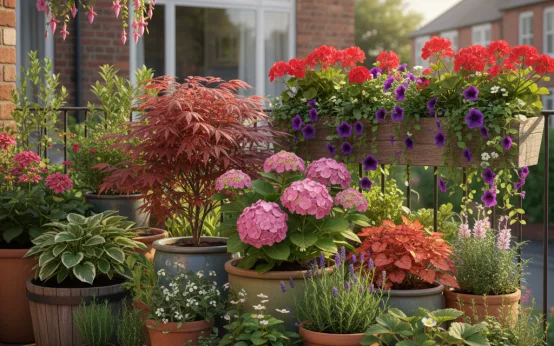 Container Gardening: Best Plants for Pots and Planters
 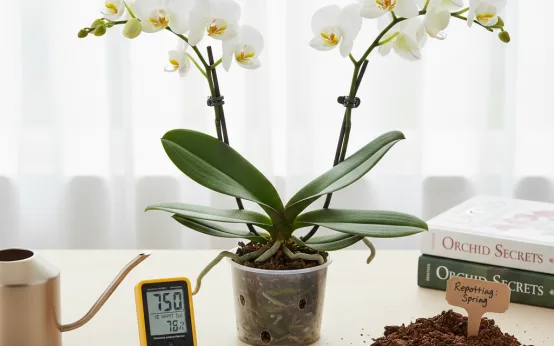 Orchid Care Guide: Watering, Light, and Repotting
  Zen Garden Design: Creating Peaceful Outdoor Spaces